
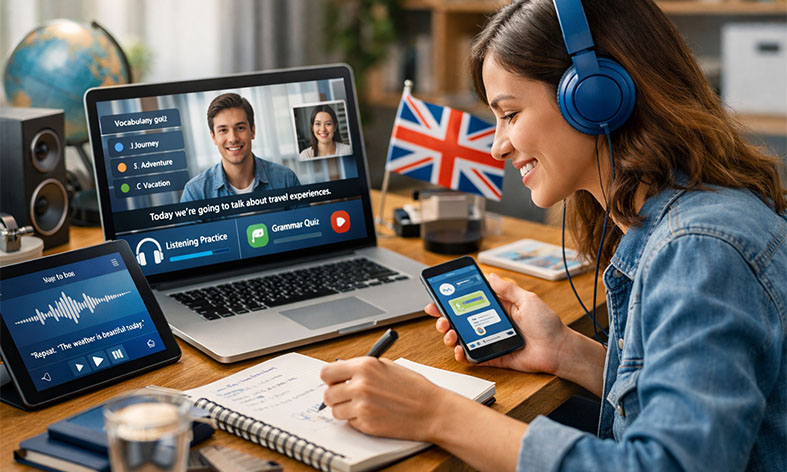
Learning English in the digital age is an exciting and dynamic journey, especially for learners who embrace multimedia resources. Today’s technology offers more than just traditional textbooks and grammar drills — it provides learners with videos, audio clips, interactive lessons, and personalized tools that make language acquisition more effective and enjoyable. With a blend of sensory input and smart learning resources, learners can practice listening, speaking, reading, and writing skills anytime and anywhere, which enhances long-term retention and motivation.
Multimedia learning environments support diverse learning styles by combining visual and auditory elements to reinforce language concepts. For example, videos with subtitles help students connect spoken English with written text, and audio recordings expose learners to native accents and natural speech rhythms. Investment in digital education platforms is rapidly expanding, with initiatives like the BBC Learning Hub offering free multimedia resources to support learners and educators worldwide.
As learners engage with digital platforms, many also sign up for online communities, language exchanges, or interactive learning apps. Protecting personal accounts and ensuring secure interactions in these digital environments is important, especially when learners manage multiple sign-ups across platforms. That’s why services like visit this page can help learners safely verify accounts, maintain user privacy, and focus on learning without worrying about digital account compromises.
The Impact of Multimedia on Language Learning
Multimedia tools play an important role in making English learning more accessible and engaging. These tools often integrate visual and audio elements that support comprehension, memory, and motivation.
Visual and Auditory Integration
When learners see and hear language simultaneously, they form stronger connections between vocabulary, grammar, and real-world usage. This dual-mode learning helps improve word recognition, pronunciation, and listening comprehension.
Interactive Practice
Many online English platforms offer interactive drills, quizzes, and simulations that adapt to each learner’s progress. These interactive elements make learning more engaging and help learners actively apply what they’ve studied.
| Multimedia Tool | Learning Benefit |
|---|---|
| Video lessons | Improves contextual listening and comprehension |
| Audio recordings | Enhances pronunciation and fluency |
| Interactive quizzes | Reinforces vocabulary and grammar understanding |
| Discussion forums | Encourages practical communication practice |
Recent findings on adaptive and personalized technology suggest that adaptive learning tech shows promise in helping students and teachers customize lessons and improve learning outcomes.
Developing Speaking and Listening Skills
Listening to native speakers and practising speaking are crucial components of English proficiency. Digital tools simulate real-world communication and provide flexible opportunities to develop these skills.
- Listening exercises: Podcasts and recorded conversations offer exposure to different accents and everyday English.
- Pronunciation tools: Voice recording and analysis features help learners compare their speech to standard pronunciation.
- Interactive dialogues: Simulated conversations allow learners to practice dialogues, improving fluency and confidence.
Using trusted English teaching content — such as lessons and materials from BBC Learning Hub — adds authentic language input that enriches learner engagement and real-world understanding.
Personalized Learning Paths
Another major benefit of digital tools is personalized learning. Adaptive platforms analyze learners’ strengths and weaknesses and tailor lessons accordingly. This customization ensures learners spend time on the areas that matter most for their development, making learning more efficient and relevant to individual goals.
Integrated feedback systems and progress tracking keep learners motivated by highlighting improvement areas and celebrating milestones. This adaptive approach supports learners in staying focused and encourages consistent study habits.
Mobile Accessibility and Flexible Practice
One of the biggest advantages of multimedia English learning is portability. Mobile apps allow learners to practice anytime, anywhere — whether on a commute, during a break, or before bed.
- Short audio lessons: Perfect for on-the-go listening practice.
- Interactive mini-games: Make learning fun and engaging in short sessions.
- Offline access: Enables practice even without an internet connection.
This flexibility encourages consistent practice, which is essential for language acquisition, especially for busy learners who balance study with work or school commitments.
Building Confidence Through Community and Feedback
Technology also opens doors to community-based learning. Online platforms often connect learners with peers and teachers for group discussions, language exchange, and collaborative practice.
- Forums and chat rooms: Provide spaces to ask questions and discuss topics.
- Peer feedback: Helps learners refine their language and receive support.
- Mentor sessions: Offer personalized guidance for challenging areas.
When learners can interact with others in a supportive environment, they feel more confident using English in real situations, which accelerates progress.
Security Awareness for Online Learners
As learners explore multiple digital platforms, account security becomes increasingly important. Protecting personal information and managing access credentials helps learners focus on learning without interruptions or privacy concerns. Services that enable secure verification help reduce the risk of account misuse, a growing concern as technology becomes a standard part of modern education systems.
The Future of Multimedia English Learning
Advancements in educational technology continue to expand what’s possible in English language learning. Emerging trends such as AI-driven tutors, virtual reality immersion, and gamified courses provide even richer experiences for learners of all levels. These innovations aim to make learning more interactive, intuitive, and tailored to individual needs.
By incorporating multimedia tools and staying mindful of digital safety, English learners can enjoy a rich, flexible, and secure learning environment that supports long-term success and confidence in using the language.


