


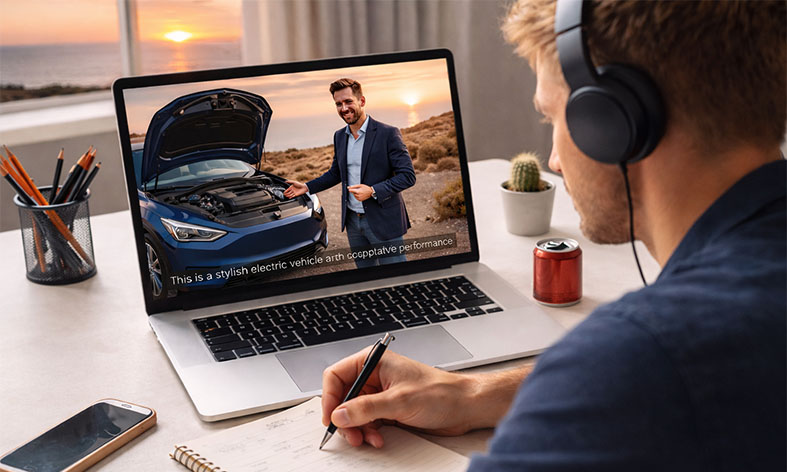
Learning English today is no longer limited to textbooks and classroom exercises. With the growth of digital media, learners now have access to countless forms of entertainment that double as powerful educational tools. Among these, automotive videos and car reviews have become surprisingly effective resources for improving listening comprehension, vocabulary, and conversational fluency.
Many language learners spend hours watching videos online, yet few realise how much English they can absorb simply by paying attention to the language used in the content they enjoy. Car reviews, road tests, and automotive documentaries are especially useful because they combine clear explanations, descriptive language, and visual context that helps viewers understand what is being discussed.
For learners who enjoy travel and mobility topics, watching automotive content can introduce practical vocabulary used in everyday situations. Conversations around transportation, driving experiences, and services such as rent a car without deposit often appear naturally in travel related automotive discussions, allowing viewers to hear real English used in context.
Why Automotive Videos Are Effective for Language Learning
Automotive videos present information in a way that is easy to follow even for learners who are not yet fully fluent in English. Reviewers typically describe vehicles step by step, explaining features, performance, and driving impressions in a structured and engaging manner.
Because the subject matter is visual, viewers can quickly understand what the speaker is referring to. When a presenter talks about the engine, interior space, navigation system, or driving comfort, the camera often shows these elements directly. This connection between spoken language and visual context makes it easier for learners to remember new vocabulary.
Another advantage is that reviewers tend to speak clearly so that viewers can follow their explanations. This clarity helps learners train their ears to recognise pronunciation, sentence structure, and natural speech rhythm.
Expanding Vocabulary Through Real Examples
One of the biggest challenges for English learners is remembering vocabulary that feels abstract or disconnected from real life. Automotive videos solve this problem by presenting language alongside practical demonstrations.
Words like acceleration, steering, suspension, navigation system, dashboard, and fuel efficiency become easier to understand when viewers see how they relate to a real vehicle. Instead of memorising isolated words, learners encounter them as part of complete explanations.
Over time, viewers begin to recognise patterns in how these words are used. For example, reviewers often describe performance by comparing vehicles or explaining how certain features affect driving comfort. These explanations introduce learners to descriptive language and comparison structures commonly used in English.
Listening Skills Improve with Repetition
Watching automotive content regularly provides repeated exposure to spoken English. This repetition plays an important role in improving listening comprehension. When learners hear similar phrases and explanations across different videos, their brains gradually become familiar with common expressions.
Automotive presenters frequently use consistent language patterns when describing vehicles. Phrases related to design, performance, technology, and comfort appear in many reviews. As learners watch more videos, they begin to anticipate these patterns and understand them more quickly.
This process strengthens listening skills because the brain learns to recognise meaning without translating every word.
Learning Conversational English from Presenters
Many automotive reviewers present their content in a conversational style. Instead of reading from scripts, they speak naturally as if explaining something to a friend. This approach exposes learners to authentic spoken English that reflects how people communicate in everyday conversations.
Viewers hear expressions that may not appear in textbooks but are commonly used in casual speech. Presenters might describe a car as smooth to drive, surprisingly spacious, or enjoyable on long journeys. These descriptive phrases help learners expand their vocabulary beyond basic language structures.
Observing tone, pacing, and emphasis also helps learners understand how English speakers express enthusiasm, comparison, and opinion.
Automotive Topics and Real World Communication
Another benefit of watching car reviews is that the vocabulary often relates to real life situations. Transportation is a common part of travel and daily life, and discussions about vehicles frequently connect to practical experiences such as renting a car, navigating a city, or planning a road trip.
For travellers exploring cities where driving is common, understanding transportation related vocabulary can make communication easier. Conversations about rental options, driving routes, or vehicle features become simpler when learners have already heard similar discussions in videos.
Automotive content therefore bridges the gap between entertainment and practical language use.
Connecting Language Learning with Personal Interests
One of the most effective ways to learn a language is by studying topics that genuinely interest the learner. When people watch videos about subjects they enjoy, they naturally pay closer attention and remain engaged for longer periods.
For automotive enthusiasts, watching car reviews feels more like entertainment than study. This relaxed environment encourages learners to absorb language without feeling the pressure of formal learning.
Over time, this type of exposure builds familiarity with sentence structure, pronunciation, and vocabulary. Because the learning process feels enjoyable rather than demanding, progress often happens more quickly.
Learning Through Comparisons and Explanations
Automotive reviews frequently compare vehicles with one another. Presenters might explain how one car performs differently from another or why certain features make a vehicle more comfortable for long journeys.
These comparisons introduce learners to useful language structures such as contrast and evaluation. Words like better, smoother, faster, more efficient, and more spacious appear regularly in discussions about vehicles.
By listening to these comparisons, learners begin to understand how English speakers structure opinions and explanations.
Automotive Content and Global Travel
Automotive videos often feature driving experiences in different cities and countries. Reviewers test vehicles on highways, city streets, and scenic routes, providing viewers with glimpses of global travel environments.
During these journeys, presenters sometimes discuss practical travel topics such as transportation services and mobility options. In cities known for long term visitors and business travel, discussions around services like monthly car rental Dubai can appear in conversations about convenience, commuting, and exploring urban areas.
These references expose learners to vocabulary related not only to cars but also to travel logistics and city life.
Visual Context Makes Learning Easier
One reason automotive videos are particularly useful for language learning is the strong visual support they provide. The camera often highlights exactly what the speaker is describing, making it easier for viewers to follow along.
When a presenter explains the interior design, the camera shows the dashboard and seating layout. When they discuss driving performance, viewers see the vehicle moving along roads or highways. This visual context reinforces understanding and helps learners associate words with images.
Because of this connection between sight and sound, learners often remember vocabulary more effectively.
Turning Entertainment into Language Practice
Watching automotive videos may seem like simple entertainment, but it can easily become an effective learning routine. By focusing on the language used by presenters, learners can improve listening skills, expand vocabulary, and develop a better understanding of natural spoken English.
Pausing videos to repeat phrases, noting new words, or watching segments multiple times can reinforce learning even further. Over time, learners begin to recognise patterns in how English speakers describe experiences and explain ideas.
For students looking for enjoyable ways to strengthen their language abilities, automotive content offers a unique combination of visual storytelling and practical conversation. By transforming everyday media into learning opportunities, language practice becomes something that fits naturally into daily life rather than feeling like a formal study session.


